Can Your Insurer Drop You Because Your Roof Is Old? Texas TDI Rule Explained
If your roof is 15 or 20 years old, you may have worried about the letter that shows up at renewal time: your insurer is dropping you, or refusing to renew, because of the roof’s age. In Texas, that letter just got harder for insurers to send. On September 29, 2026, the Texas Department of Insurance (TDI) clarified that an insurer cannot decline to write a homeowners policy, or refuse to renew one, simply because the house — or its roof — is old. But there is a catch, and it is the part that matters most for Lubbock homeowners: the insurer can still act on the roof’s condition. Age alone is off the table. Damage is not.
What TDI actually said
TDI’s announcement, titled “Texas homeowners protected from being denied insurance based on roof age,” clarifies a rule already on the books: 28 Texas Administrative Code §21.1006. Under that rule, a company may base a decision on the physical condition of the home or a component — roofing, wiring, heating, air conditioning, plumbing, or siding. What it may not do is deny coverage or refuse to renew simply because those materials are older. Texas Insurance Commissioner Amanda Crawford put it plainly: “Texans deserve fair access to home insurance, no matter the age of their home.”
The same day, TDI proposed amendments to §21.1006 to remove the ambiguity for good. A public hearing was held November 3 (Docket No. 2874) and written comments closed November 9. The amendments are still going through the rulemaking process — this is a proposed clarification, not a final adoption yet.
The move follows an August 24, 2026 directive from Governor Greg Abbott, who asked TDI to act on rising property insurance costs, including a ban on refusing policies based solely on the age of a property or its components, “specifically including roof age.” The directive also asked TDI to require insurers to account for FORTIFIED roofs — roofs built to a standard from the Insurance Institute for Business & Home Safety that helps them resist high wind and hail — in their rates.
Age vs. condition: the distinction that decides your renewal
This is where most homeowners get confused. The rule draws a line between two things:
- Age is a number of years on a calendar. A roof installed in 2008 is 18 years old. On its own, that number can no longer be the reason you lose coverage.
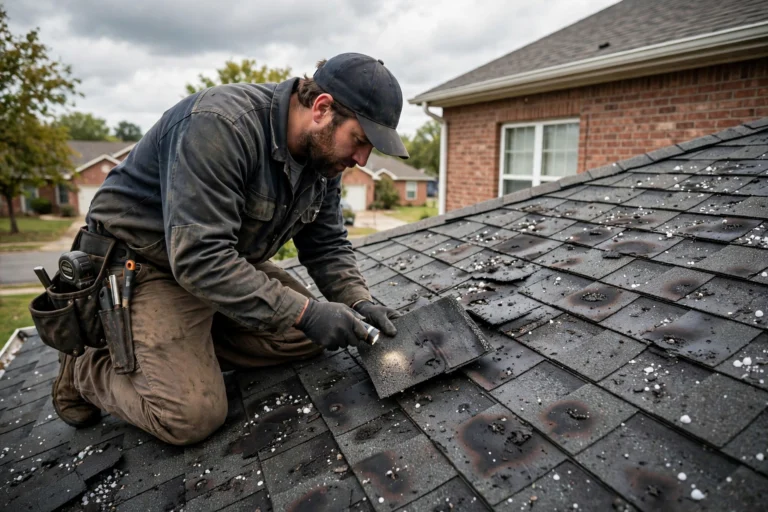
- Condition is what an inspector can see and describe: curling shingles, soft decking, failed flashing, missing shingles, or active leaks. A letter that cites one of these is about condition, and the rule allows it.
So a well-maintained 18-year-old roof cannot be dropped on age alone — but the insurer has to document a specific condition problem to act, and it can. If your nonrenewal letter gives only the roof’s install year, that deserves a written question back: what condition problem did the company find?
What the rule does NOT change
Three limits matter, and any honest explanation has to include them:
- It does not change how claims are paid. A hail claim on an older roof is still settled under your policy’s terms. Some carriers switch roof coverage to actual cash value (ACV) once a roof reaches a certain age — there is no statewide age threshold for this, and carriers set their own. The rule is about getting and keeping a policy, not about claim payouts.
- It does not stop insurers charging more for older homes. Price is decided elsewhere, in the rating plan.
- It does not guarantee an older roof the same price or coverage as a new one. It only stops age alone being used as a reason to decline or nonrenew.
What Lubbock homeowners should do now
Because condition — not age — is now the deciding factor, a dated record of your roof’s actual condition is your best protection. That is practical advice, not paperwork for its own sake:
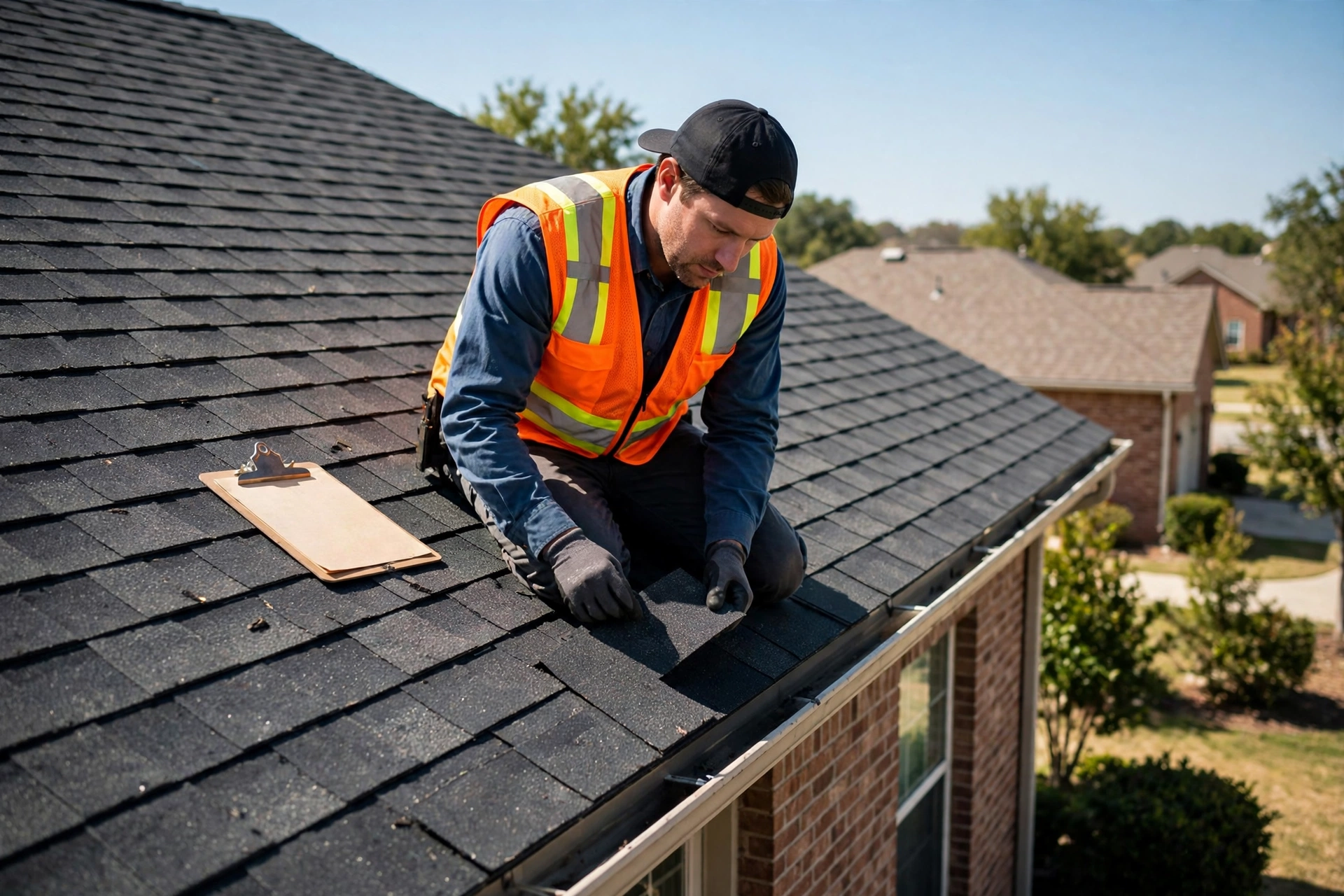
- Get a roof inspection before renewal season and after any major storm. A professional inspection documents the condition of your shingles, flashing, decking, and vents with a date on it. That record is what answers an insurer’s condition claim — and helps you decide whether to repair or replace your roof.
- Keep photos and the inspection report. If a letter ever cites a condition problem, you can compare it against your own dated record.
- Know the TDI Voluntary Inspection Program. Texas offers an independent inspection through TDI, with the fee capped at $150.87. If the inspector finds the property in insurable condition, TDI issues a Certificate of Insurability.
- If you get a nonrenewal or denial notice, read it carefully. Insurers must give a written statement explaining why if a policy was declined, canceled, or nonrenewed after January 1, 2026, and must give 60 days’ notice of a nonrenewal. Questions go to the TDI Help Line at 800-252-3439.
Why this matters in Lubbock
Lubbock sits in hail country, and insurers here pay attention to roofs. State Farm alone paid $1.4 billion in Texas hail claims in 2025 — more than in any other state. When hail season runs March through June, a roof’s condition is what decides whether roof insurance claims are straightforward or a fight. The TDI rule does not make an old roof a good roof. It makes the roof’s real condition the question — and that is a question a proper inspection answers.
Bottom line
Your insurer cannot drop you just because your roof is old. It can still act if the roof is in bad shape. The difference between those two outcomes is evidence: a dated, documented record of your roof’s condition. Get the inspection, keep the report, and the age of your roof stops being something to worry about at renewal time.
(This article is general information, not insurance or legal advice. Coverage and underwriting decisions vary by company and policy, and the rule amendments described here were proposed at the time of writing.)
FAQs
Can an insurance company in Texas deny coverage because my roof is old?
Not for age alone. TDI clarified on September 29, 2026 that insurers cannot decline or refuse to renew a homeowners policy solely because a house or its roof is old, under 28 TAC §21.1006. They can still act on the roof’s physical condition.
What is the difference between roof age and roof condition?
Age is how many years old the roof is. Condition is what an inspector can see — curling shingles, soft decking, failed flashing, or active leaks. Insurers may base decisions on condition, not on age alone.
Does the TDI roof-age rule change how hail claims are paid?
No. The rule covers getting and keeping a policy. How a claim is paid depends on your policy’s terms, and some carriers switch older roofs to actual cash value (ACV) coverage at their own thresholds.
What should I do if my insurer sends a nonrenewal letter about my roof?
Read the letter carefully — it must give a written reason. If it cites only the roof’s age, ask in writing what condition problem was found. Keep a dated inspection report and photos of your roof’s condition, and contact the TDI Help Line at 800-252-3439 with questions.