Wet Ceiling in Lubbock? Roof Leak vs AC Condensate vs Attic Condensation
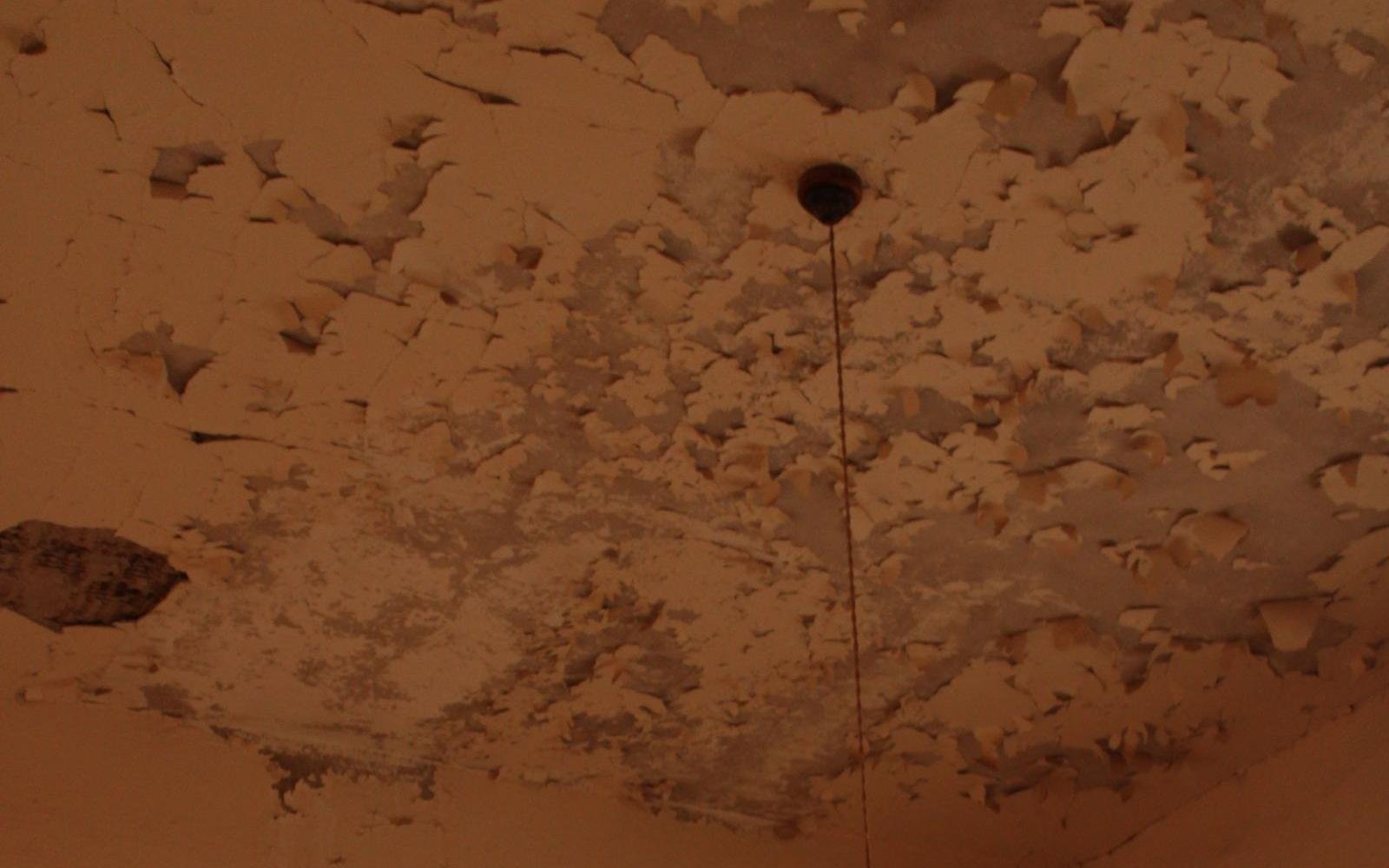
You notice it on the way to the coffee maker: a tea-colored ring spreading across the ceiling, maybe a slow drip, maybe paint starting to bubble. Your first thought is the roof. Sometimes you are right — but not nearly as often as you would think. If you are standing there with a bucket on the floor, searching “roof leak Lubbock” on your phone, this page sorts it out.
A wet ceiling here has three usual suspects: a roof leak, the air conditioner, and condensation up in the attic. Two of the three are not a roofer’s job at all, and guessing wrong means paying for a visit that cannot fix anything while the water keeps coming. One simple rule usually tells you which one you have.
The one rule.
Match the water to the weather. Water during or right after rain is almost always the roof. Water on a hot, dry day while the AC runs is almost always AC condensate. Water after a cold night, spread out instead of in one spot, is usually attic condensation.
| When | Cause | Who to call |
|---|---|---|
| Raining, or just rained | Water arrives with the storm and stops when the roof dries out. One defined stain, growing while it rains. | Call a roofer |
| Hot, dry day · AC running | Clogged condensate drain line, an overflowing drain pan, or cold ducts sweating in a hot attic. | Call an HVAC company |
| Morning after a cold night | Warm house air condensing on the cold underside of the roof deck. Dampness spread over a wide area. | Call a roofer to check ventilation |
1. It rained, then it dripped: that is the roof
With rain and thunderstorms in the forecast for Lubbock this weekend (Nov 14–15), this is the version most people are about to meet. The drip starts while it rains, or just after a storm passes, and slows once things dry out. That timing is the signature of a roof leak Lubbock homeowners know well: lifted shingles, worn flashing around a vent pipe or chimney, or a puncture that only leaks when water runs over it.
Two things fool people here. The wet spot is not always below the hole — water runs along rafters and decking and drops several feet away. And a leak that “fixes itself” between storms has fixed nothing; it just stopped raining.
2. Dry outside, wet ceiling: that is your air conditioner
Your AC pulls gallons of moisture out of the indoor air all summer, and it leaves through a condensate drain line. When the line clogs — West Texas dust and algae clog plenty — the drain pan fills, overflows, and soaks the ceiling below. The signs differ from a roof leak:
- Water on a dry day. No rain for a week, AC running hard, ceiling wet. Condensate until proven otherwise.
- The stain sits near the air handler or the return grille, often over a hallway or closet, not under the open slope.
- Water drips from a small pipe above a window. That is the secondary drain — it only drips when the main line is blocked. It is a warning, not a leak.
- The AC suddenly stops cooling. Many systems have a float switch that shuts the unit off when the pan fills. Frustrating, but that switch just saved your ceiling.
- Rings of moisture around supply vents, where cold ducts sweat in a hot attic and drip onto the ceiling.
The U.S. Department of Energy warns that a blocked condensate drain in an attic or closet can go unnoticed long enough to cause severe water damage to ceilings, floors, and walls. No storm, no drama — just a slow, quiet soak.
If this is your ceiling: turn the system off at the thermostat and call an HVAC company. Running the AC with a blocked drain only makes more water, and the fix belongs to the AC tech, not a roofer.
3. It only happens in winter: that is attic condensation
The third culprit has no hole and no broken pipe. On a cold night, warm, moist air from your living space rises into the attic and meets the underside of a roof deck chilled by a freeze. The moisture condenses on contact — the bathroom mirror effect, upside down. Lubbock’s freeze-thaw swings make it worse, and because the attic stays warm from the house below, it is a winter problem, not a storm problem. It looks different, too: dampness spread over a wide area instead of one tidy ring. The fix is usually attic ventilation and air sealing, not shingles.
What to do first, whichever one it is
- Catch the water. Bucket under the drip, furniture and rugs moved — and if the ceiling bulges, keep everyone out from under it. That bulge is water.
- Note the weather and take dated photos. Raining, dry with the AC on, or after a freeze — that detail is the most useful thing you can hand whoever comes out.
- If it looks like AC water, turn the system off at the thermostat and call an HVAC company.
- If it tracks with rain, call a roofer for a free inspection — dated photos of what they find, and a written price before any work starts.
- Never climb a wet or icy roof. Not to look, not to throw a tarp. Wet shingles are slick as a skating rink, and no stain is worth a fall.
Wet ceiling questions we hear in Lubbock
Is a wet ceiling always a roof leak?
No. It tells you water reached the ceiling, not where it came from. In Lubbock homes it is often AC condensate from a clogged drain line, or condensation formed in the attic on a cold night. Timing gives it away: rain points to the roof, a dry day with the AC running points to the air conditioner, a cold night to the attic.
Can AC condensation look like a roof leak?
Yes — the stain looks identical, which is why AC trouble is so often misread as a roof leak Lubbock homeowners then call a roofer about. Look for the clues: stain near the air handler or return grille, water dripping from the secondary drain pipe above a window, the AC shutting off on its float switch, or moisture rings around vents.
Why does my ceiling leak only in winter?
Because in winter the water is often made inside the attic, not let in through the roof. Warm, moist house air rises into a cold attic during a Lubbock cold snap and condenses on the underside of the deck. Freeze-thaw cycles build up enough moisture to drip, spread over a wide area. There may be no hole at all.
What should I do first when I see a wet ceiling?
Bucket under the drip, valuables moved, and stay out from under a bulging ceiling. Take dated photos and note the weather, because that detail identifies the likely cause. AC running on a dry day? Turn it off at the thermostat and call an HVAC company. Water tracking with rain? Call a roofer for a free inspection. Never climb a wet or icy roof.
Not sure which one is dripping on you?
With storms due over Lubbock this weekend, a wet ceiling deserves a straight answer, not a guess. If the water tracks with the rain, we will inspect the roof for free and show you dated photos of what we find, with a written price if it needs work. If it turns out to be your AC or your attic, we will tell you that too.
The Peak Shield Roofing · Lubbock, TX · Free inspections.